












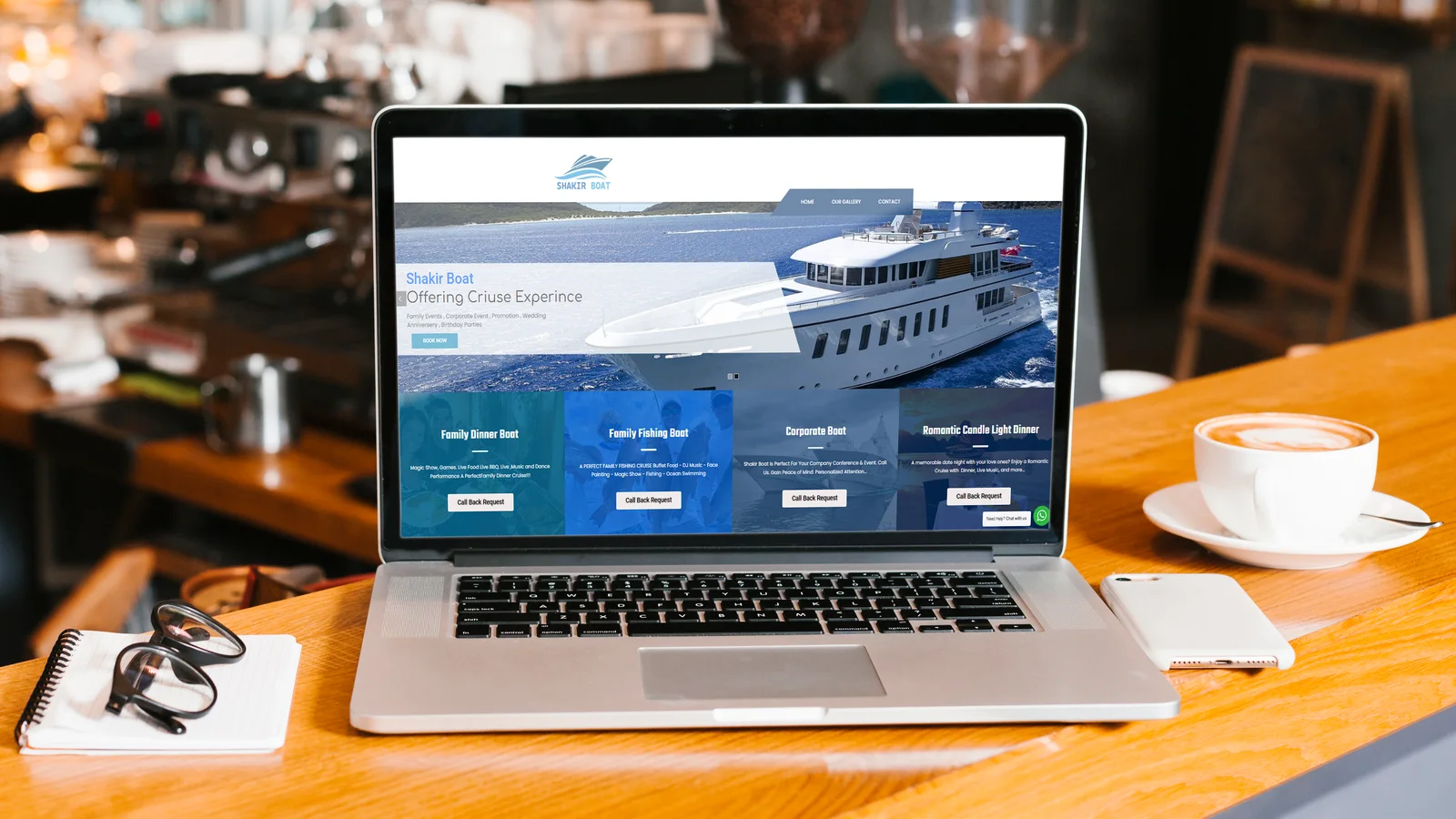
In today’s digital marketplace, having an attractive website isn’t enough. For local companies, a website should not only look professional but also be designed to rank well in search engines and convert visitors into customers. SEO-friendly website design combines user experience, technical optimization, and content structure to help businesses increase visibility and attract qualified leads.
Whether you’re a contractor, law firm, medical practice, or local service provider, implementing SEO-friendly design principles can significantly improve your online presence. Here are some essential website design tips every local company should consider.
Start with a Mobile-First Approach
Mobile devices account for the majority of internet traffic, and Google primarily uses mobile versions of websites for indexing and ranking. A mobile-first design ensures visitors have a seamless experience regardless of the device they’re using.
Benefits of mobile-friendly design include:
- Better user experience
- Improved search rankings
- Lower bounce rates
- Increased conversions
Your website should feature responsive layouts, readable fonts, and touch-friendly navigation to provide an excellent experience on smartphones and tablets.
Optimize Website Speed
Website speed is one of the most important ranking factors. Slow-loading pages frustrate users and can lead to lost leads and lower search visibility.
Common causes of slow websites include:
- Large image files
- Excessive scripts
- Poor hosting
- Unoptimized code
Businesses that implement strategies from Portkey SEO understand that fast websites provide a better experience for users while improving overall SEO performance.
Ways to Improve Speed
- Compress images
- Enable browser caching
- Use quality hosting
- Minimize CSS and JavaScript files
- Eliminate unnecessary plugins
A fast website keeps visitors engaged and supports higher search engine rankings.
Create Clear Site Navigation
Search engines and users both benefit from simple and organized website structures. Visitors should be able to find information quickly without confusion.
An effective navigation structure typically includes:
- Home page
- About page
- Individual service pages
- Blog section
- Contact page
Clear menus and logical page hierarchy improve user experience and help search engines understand your website.
Use SEO-Friendly URLs
Simple and descriptive URLs make it easier for search engines and users to understand page content.
Examples of good URLs:
- yoursite.com/roof-repair
- yoursite.com/hvac-services
- yoursite.com/about-us
Avoid URLs with unnecessary characters or numbers that provide no context.
Optimize Title Tags and Meta Descriptions
Title tags and meta descriptions play a major role in search visibility and click-through rates.
A strong title tag should:
- Include your target keyword
- Stay under 60 characters
- Describe page content clearly
Meta descriptions should:
- Summarize the page
- Encourage clicks
- Stay within recommended length
These elements help improve visibility in search results and attract qualified traffic.
Build Individual Service Pages
Many local companies make the mistake of listing all services on a single page. Dedicated service pages provide better opportunities to rank for specific keywords.
Each service page should include:
- Detailed service descriptions
- Frequently asked questions
- Location references
- Calls to action
- Relevant images
This structure helps search engines understand your offerings and improves user experience.
Use Proper Heading Structure
Headings make content easier to read and organize information for search engines.
Best practices include:
- One H1 heading per page
- H2 headings for major sections
- H3 headings for supporting topics
Proper heading structure improves readability and strengthens SEO.
Focus on Local SEO Elements
Local companies depend on customers within specific geographic areas. Including location-based information helps improve local search rankings.
Important local SEO elements include:
- City and service area mentions
- Embedded Google Maps
- Contact information
- Local business schema markup
- Consistent NAP (Name, Address, Phone Number)
These factors help search engines connect your business with local customers.
Add Internal Links
Internal linking helps visitors discover more content while improving website structure for search engines.
Internal links can connect:
- Service pages
- Blog posts
- About page
- Contact page
Strong internal linking enhances navigation and distributes authority throughout your website.
Use High-Quality Images with Optimization
Images improve user experience and increase engagement, but they should also be optimized.
Best practices include:
- Compress image sizes
- Use descriptive filenames
- Add alt text
- Avoid oversized files
Optimized images contribute to faster loading speeds and improve accessibility.
Include Trust Signals
Trust plays a significant role in conversions. Visitors are more likely to contact businesses they perceive as reliable.
Trust-building elements include:
- Customer testimonials
- Google reviews
- Certifications
- Awards
- Case studies
These features increase confidence and encourage users to take action.
Create Valuable Content
Content marketing supports SEO and positions your business as an authority in your industry.
Examples of valuable content include:
- Educational blog posts
- FAQs
- Industry guides
- Service tips
- Customer success stories
Regularly updated content helps attract traffic and provides more opportunities to rank for relevant keywords.
Make Contact Information Easy to Find
Visitors should never struggle to contact your business.
Important contact elements include:
- Phone number
- Email address
- Contact forms
- Business hours
- Address information
Making communication easy improves conversions and user satisfaction.
Invest in Professional Website Design
While templates and DIY builders may seem convenient, professionally designed websites offer better performance and long-term value.
Professional websites provide:
- Faster load times
- Better SEO structure
- Improved user experience
- Higher conversion rates
- Stronger branding
Businesses looking to establish a powerful online presence often choose responsive and modern web design solutions that are built with both SEO and user experience in mind.
Keep Your Website Updated
SEO is an ongoing process. Regular updates help maintain performance and relevance.
Areas to update include:
- Blog content
- Service pages
- Images
- Testimonials
- Plugins and security features
Fresh content and maintenance contribute to better rankings and a stronger user experience.
SEO-friendly website design is essential for local companies that want to compete online and generate more leads. By focusing on speed, mobile responsiveness, site structure, local SEO, and user experience, businesses can build websites that not only rank well but also convert visitors into customers.
A well-designed website acts as a long-term asset that supports growth, strengthens credibility, and helps local businesses stand out in increasingly competitive markets.